


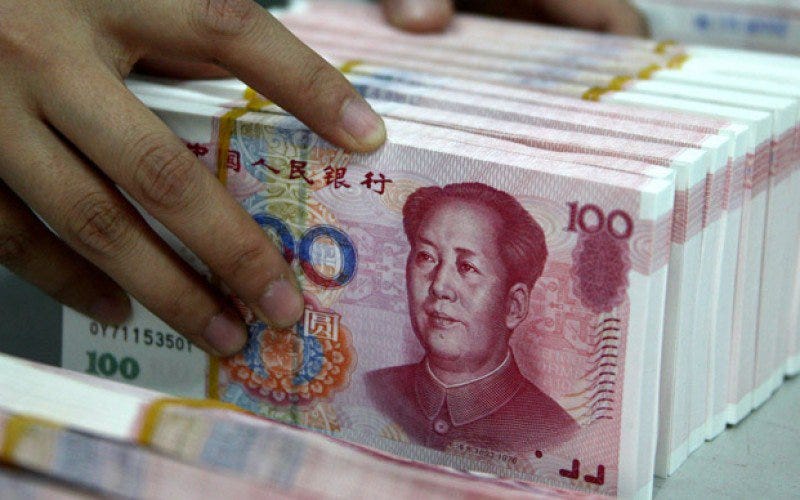
Angola’s central bank has approved the Chinese yuan as one of the foreign currencies that local banks can use to meet mandatory reserve requirements, alongside the US dollar, euro and South African rand. The change was introduced through a directive dated 2 July and published on the Bank of Angola’s website on Thursday.
Mandatory reserves are funds commercial banks must hold with the central bank to support financial stability and manage liquidity in the banking system. The decision reflects the yuan’s growing role in Africa, driven by China’s position as the continent’s largest trading partner and a major source of infrastructure financing. While the US dollar remains the world’s leading reserve and trade currency, many emerging economies have been seeking to diversify away from it amid concerns over sanctions, transaction costs and changing global economic dynamics.
Angola, a major crude oil exporter to China, has received billions of dollars in Chinese loans to finance infrastructure development. The decision to allow the yuan in reserve requirements is a natural extension of the deepening economic relationship between the two countries.
The Nigerian stake is clear. Nigeria is also a major trading partner with China and has received billions of dollars in Chinese loans. But Nigeria has not taken similar steps to integrate the yuan into its financial system. The naira remains heavily dollar-dependent, and the Central Bank has been slow to diversify its foreign exchange reserves.
From a Nigerian vantage point, Angola’s move is a reminder that Nigeria is falling behind in the de-dollarisation trend. As more African countries diversify their reserve holdings and reduce their reliance on the US dollar, Nigeria risks being left out of a major shift in global finance.
This echoes the 2023 decision by Brazil and China to trade in their own currencies, bypassing the US dollar. The mechanism then was different, but the result was the same: a gradual move away from dollar dominance.
The winners: Angola, which has taken a step towards financial diversification; Chinese banks and businesses, which benefit from greater yuan usage; and the yuan itself, which gains another foothold in Africa. The losers: the US dollar, which loses a small but symbolic foothold, and Nigeria, which has not taken similar steps.
Bottom Line: Angola has approved the yuan for bank reserves. Nigeria is still waiting. The de-dollarisation train is leaving the station. Nigeria is not on it.