


South Africa’s African National Congress polled about 30 per cent in the municipal elections. Some 99 per cent of votes were counted. The Democratic Alliance had about 25 per cent. The uMkhonto weSizwe party had about 10 per cent. The figures were reported by the Associated Press. The ANC’s share is about 15 points below its 2021 performance of 45 per cent.
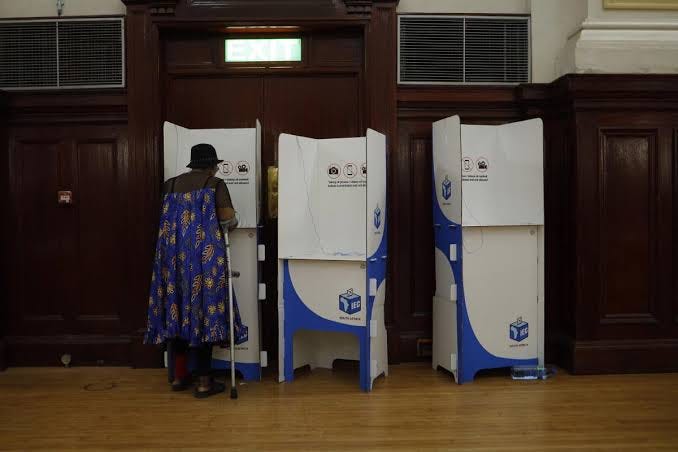
The ANC has governed South Africa since 1994. Its support peaked at 62 per cent in 2011. It fell to 46 per cent in 2021. In the 2024 national election, it lost its parliamentary majority for the first time. It formed a government of national unity with the DA. Municipal elections are the frontline of service delivery. Coalition governments in Johannesburg, Tshwane and Ekurhuleni have been unstable. Leadership changed repeatedly. Services suffered.
The DA was set to overtake the ANC in Johannesburg, Pretoria and Ekurhuleni. It was also set to keep Cape Town. Most councils were hung. Coalition talks began. BusinessTech named the ANC and ActionSA as the main potential DA partners. The Economic Freedom Fighters had their worst result since first contesting in 2014. Objections and recounts delayed the final announcement.
The outcome matters beyond local government. It will shape alignments ahead of the 2029 national election. It will also influence the ANC’s 2027 leadership transition. A weak result strengthens internal critics. Coalition stability in the metros will determine whether service delivery improves.
Winners: The DA, which gained ground. The MK Party, which won in KwaZulu-Natal. Smaller parties, which gained kingmaker roles. Losers: The ANC, which faces historic decline. Voters, who face unstable coalitions. Municipalities, which may struggle to deliver. The EFF, which lost support.
Bottom Line: The ANC is at 30 per cent. The decline is structural. Coalitions are inevitable. They may be unstable. South Africa’s local government is entering a difficult phase.