


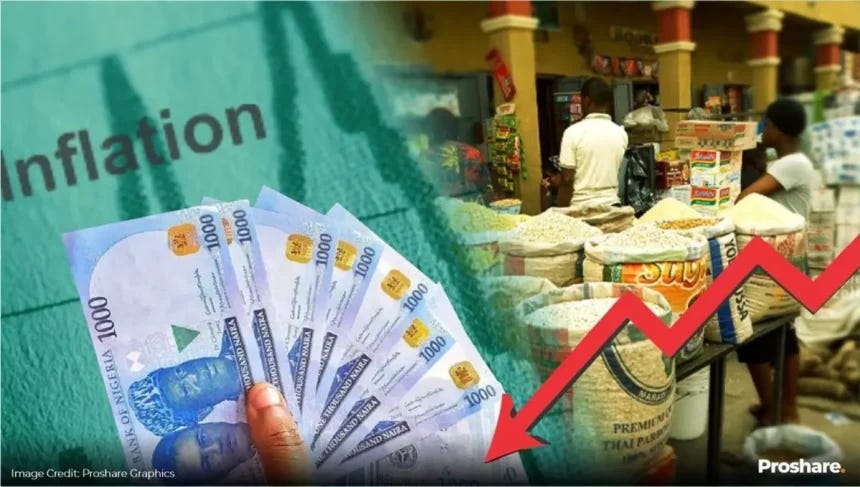
Nigeria’s headline inflation is expected to maintain its downward trend in the coming months, as easing core inflation and reduced exchange rate volatility continue to offset persistent pressure from food prices, analysts at Comercio Partners have said. The outlook followed the latest inflation data released by the National Bureau of Statistics, which showed that headline inflation slowed to 15.43 per cent year-on-year in July 2026, from 15.91 per cent in June.
The decline marked the second consecutive monthly moderation and the sharpest slowdown in headline inflation recorded so far this year. According to the analysts, the July figures point to a growing concentration of inflationary pressure in volatile food-related categories rather than a broad-based acceleration in prices across the economy.
However, food inflation remains a major concern. Food inflation rose to 20.31 per cent year-on-year in July from 17.52 per cent in June. Comercio Partners attributed the renewed food price pressure to agricultural supply constraints, logistics and distribution costs, seasonal factors and broader structural bottlenecks that cannot be resolved through monetary policy alone.
The analysts warned that the outlook could be challenged by rising political activity and election-related spending. They said increased demand for food, transportation, accommodation and foreign exchange as political activities intensify could generate fresh inflationary pressures and slow the pace of disinflation.
For a minimum-wage earner in Kano, the headline inflation figure is less important than the food inflation number. When food prices rise, households feel the pinch directly. The structural nature of food inflation means that monetary policy alone cannot solve the problem. The government must address the supply-side constraints that are driving food prices higher.
The winners: the CBN, which can point to progress on inflation; and the Nigerian economy, which is seeing some easing of price pressures. The losers: Nigerian households, who continue to struggle with rising food prices; and the Nigerian government, which must address the structural causes of food inflation.
Bottom Line: Inflation is slowing, but food prices are rising. The question is whether the government can address the structural causes of food inflation before the election season heats up.