


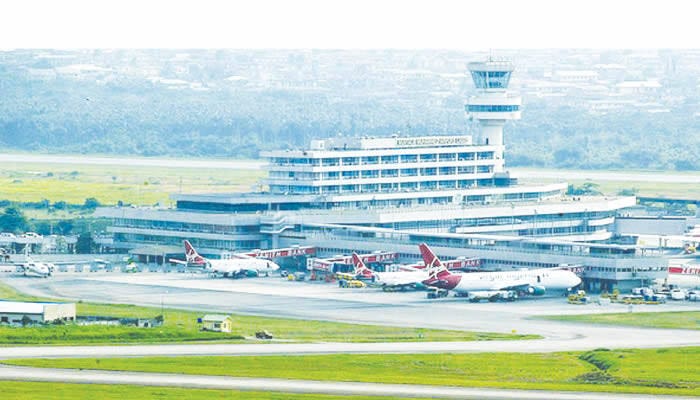
The Airline Operators of Nigeria has threatened to shut down all member airlines if aviation unions disrupt operations again. The warning followed the 11 August 2026 industrial action that grounded flights at Lagos and Abuja airports.
The associations involved were the National Union of Air Transport Employees, the Air Transport Services Senior Staff Association of Nigeria, and the National Association of Aircraft Pilots and Engineers. They had the backing of the Nigeria Labour Congress and the Trade Union Congress. The unions picketed Air Peace facilities over alleged non-remittance of the five per cent Ticket Sales Charge and workers’ unionisation.
The action brought airline operations to a halt. Union members blocked terminals, check-in counters and airline offices. The AON alleged that some union members engaged in violence against airline staff, causing injuries. More than 70 Air Peace flights were affected, with losses estimated at over ₦2 billion. Thirty United Nigeria Airlines flights were also disrupted, affecting about 13,000 passengers. Airlines incurred additional costs from rebooking, accommodation, refunds, crew repositioning and aircraft rescheduling.
This mirrors the pattern of aviation industrial disputes dating back to the 2010s, when unions and operators clashed over wage arrears and regulatory fees. The difference now is the operating environment. Domestic airlines are already contending with high aviation fuel prices and foreign exchange-related maintenance costs. A single day of disruption can wipe out a quarter’s margin.
The AON also said the incident exposed weaknesses in airport security. Aviation Security personnel failed to prevent the obstruction of airline operations. The association called for an immediate review of security procedures and response plans. It warned that repeated disruptions could undermine investor confidence in the sector.
The threat of a shutdown is a blunt instrument. It transfers the cost of a labour dispute onto passengers who have no stake in the underlying disagreement. But the AON has calculated that the alternative, absorbing repeated disruptions, is worse. The unions have not responded publicly to the ultimatum.
Winners and Losers
Winners: The AON, which has drawn a line and shifted the burden of restraint onto the unions. Air Peace, which gained a public platform to air its grievances about the Ticket Sales Charge.
Losers: Passengers, who face cancelled flights and disrupted plans if another shutdown occurs. Airline staff, who were injured during the picketing. The aviation sector, which loses investor confidence with each disruption. The unions, which now bear the reputational cost of any future action.
Bottom Line: A shutdown threat is a weapon of last resort. The AON has fired it. The next move is the unions’.