


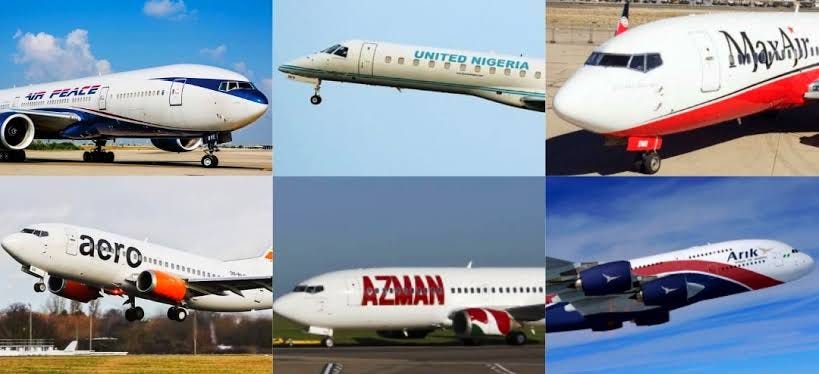
Nigerian airline operators have launched a unified campaign. They want the government to cut aviation taxes. They spoke at the League of Airport and Aviation Correspondents conference. The warning is blunt: domestic airlines face insolvency without relief.
Nigerian airlines have a long history of collapse. Nigeria Airways, the state carrier, died in 2003 after decades of mismanagement. Arik Air was taken over by the Asset Management Corporation of Nigeria in 2017. Aero Contractors entered receivership. Air Peace, Ibom Air and United Nigeria are among the few surviving operators. High fuel costs, foreign exchange scarcity and multiple taxation are perennial complaints.
The taxes are stacked. Operators pay for fuel, which is priced in dollars and subject to import costs. They pay landing fees, parking fees and navigational charges. They pay value-added tax on tickets. State governments levy their own charges. The Federal Airports Authority of Nigeria and the Nigerian Airspace Management Agency take their cut. The operators say the cumulative burden leaves no margin.
The economic logic has a constraint. The government needs revenue. Aviation taxes are easy to collect because airlines cannot move their operations offshore. Cutting them means either reducing services or finding the money elsewhere. The operators argue that a solvent airline industry generates more tax over time than an insolvent one.
This is not a new argument. The 2016 recession forced airlines to cut routes and staff. The 2020 pandemic grounded fleets. Each time, operators asked for relief. Each time, they got some and lost some. The difference now is the unified front. Previous campaigns were fragmented by competition and suspicion.
Winners: Airlines, if taxes fall and margins improve. Passengers, if fares stabilise or routes expand. The aviation regulator, if it can claim a role in the rescue. Losers: Federal and state treasuries, which lose revenue. Airports, which may see lower fees. Competitors who do not benefit from relief. Taxpayers, if government bails out failing carriers.
Bottom Line: Airlines die quietly in Nigeria. This campaign is an attempt to die loudly, with the government watching.