


Nigeria is losing agricultural export wealth to its neighbours. A truckload of cashew from Oyo State heads west to the Seme border instead of east to Lagos port. By the time it reaches Vietnam, the cashew is recorded as Togolese. Nigeria is a top grower of cashew, soybean, shea butter and cocoa. Its neighbours produce little. Yet they report booming shipments. The diversion explains the gap.
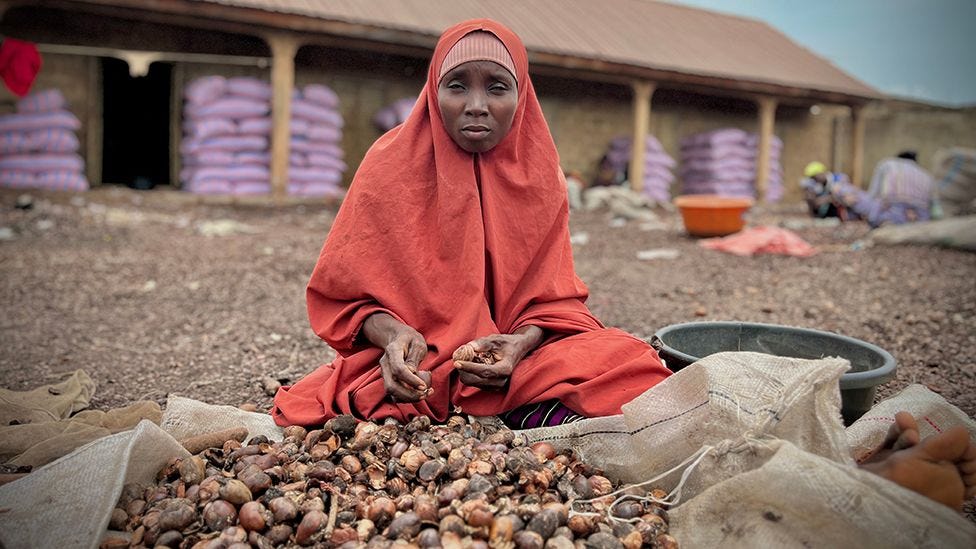
Nigeria turned to agriculture after oil prices crashed in 2016. The government promoted non-oil exports. But export bans on raw commodities disrupted trade. Ports in Lagos became congested and expensive. Traders sought alternatives. Overland routes through Benin and Togo offered cheaper, faster passage. The CFA franc, pegged to the euro, is stronger than the naira. That makes trading in CFA countries more profitable. The pattern began years ago. It has accelerated.
Traders and farmers say intermittent export restrictions, high handling costs and Lagos port delays make overland routes cheaper and more predictable. Obiora Madu is an international trade expert. He said the diversion is driven by credibility issues, tariffs, policy inconsistency, the weak naira, port inefficiencies and logistics bottlenecks. “Traders are looking for the easiest way to do business and be profitable,” he said. “Our entire ecosystem is not working to support exporters.”
The scale is significant. In 2024, Togo exported 168,372 metric tonnes of cashew. Its actual production was 8,405 tonnes. That is 20 times its output. India’s soybean imports surged to 909,606 tonnes in the first seven months of 2026. A year earlier, they were 1,996 tonnes. Shipments declared as originating in Niger rose from zero to 380,868 tonnes. The soybeans likely came from Nigeria. Ismail Abdulazeez is CEO of EFN Product and Service Ltd. He said the exchange rate is a major factor. “The CFA is stronger than the naira,” he said. “It is almost three times the naira.” One CFA franc traded at N2.28 on Monday. Ports in Lomé and Cotonou are more efficient and cheaper than Lagos.
Farmers in border communities sell to aggregators trucking crops to neighbouring countries. They get higher prices because of the stronger CFA franc and cheaper logistics. Traders from Parakou in northern Benin source cashew, soybeans and shea butter in Nigeria for re-export.
Winners: Togo, Benin and Niger, which gain export revenue. Traders who use overland routes, who gain margins. Farmers in border communities, who get higher prices. Foreign buyers, who get cheaper commodities. Losers: Nigeria, which loses revenue and foreign exchange. The Federal Government, which loses tax income. Lagos ports, which lose cargo volume. Nigerian exporters who comply with regulations, who face unfair competition. The naira, which weakens further. The economy, which loses jobs and investment.
Bottom Line: Nigeria grows the crops. Its neighbours export them. Togo’s cashew exports are 20 times its production. Niger’s soybean exports to India went from zero to 380,000 tonnes. The crops are Nigerian. The revenue is not. Export bans, port delays and a weak naira drive the diversion. Until Nigeria fixes its export ecosystem, the wealth will keep flowing west.