


Access Bank Plc has redeemed its $500 million senior unsecured Eurobond in full. The five-year debt reached maturity. The bank demonstrated sustained liquidity across international debt markets. The redemption is a signal. It shows that Nigerian banks can meet offshore obligations. It also builds credibility with foreign investors.
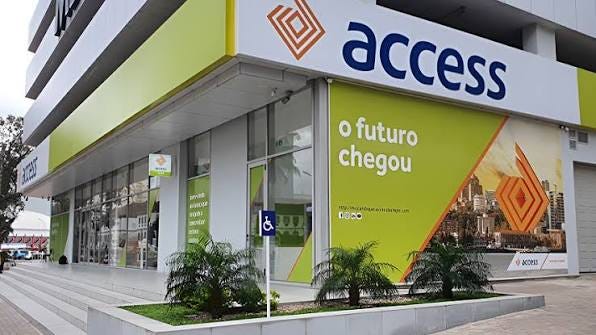
Nigerian banks have raised Eurobonds for over a decade. Access Bank issued its first in 2014. The funds support lending and expansion. In 2020, the bank redeemed a $400 million Eurobond. In 2021, it issued another. The pattern is consistent. Nigerian banks borrow abroad to fund local growth. The risk is currency mismatch. Dollar debt requires dollar revenue. When the naira weakens, repayment costs rise. Access Bank’s redemption shows it managed that risk.
The $500 million Eurobond matured. Access Bank paid in full. The bank’s liquidity position remains strong. Its international operations generate foreign exchange. Its capital adequacy is above regulatory requirements. The redemption follows a series of successful issuances. Access Bank has expanded across Africa. It operates in Kenya, Ghana, Zambia and other markets. That diversification supports dollar earnings.
The broader context is Nigeria’s banking sector. Recapitalisation has strengthened balance sheets. The Central Bank of Nigeria requires higher capital. Access Bank met the requirements. The Eurobond redemption is a vote of confidence. It shows that Nigerian banks are not distressed. It also shows that foreign investors who bought the bond were repaid on time. That matters for future issuances.
The risks remain. Global interest rates affect borrowing costs. Currency volatility affects repayment. Access Bank’s redemption is a success. It is not a guarantee for the sector.
Winners: Access Bank, which demonstrates reliability. Bondholders, who are repaid in full. Nigeria’s banking sector, which gains credibility. Future issuers, who benefit from the precedent. Losers: Competitors with weaker liquidity. Banks that struggle to repay. Investors who avoided Nigerian debt. The naira, if dollar outflows continue.
Bottom Line: Access Bank paid $500 million on time. That is a win for the bank and the sector. Nigerian banks can meet offshore obligations. The next test is whether they can do it in a tougher environment.