


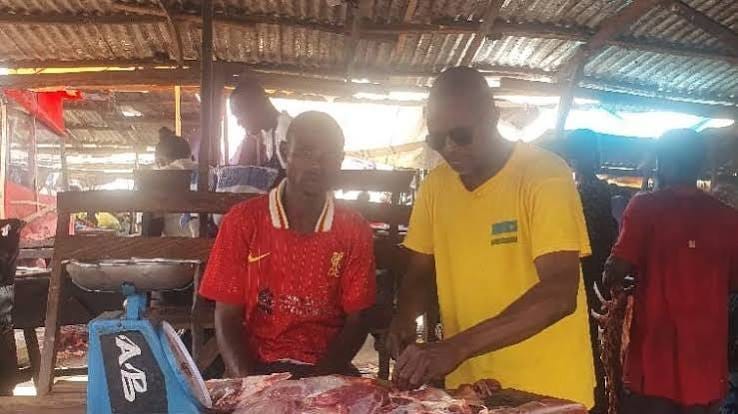
Butchers in the Federal Capital Territory have appealed to the Federal Government to intervene in the rising cost of meat transportation. They said the recent reduction in petrol prices had yet to translate into lower transport fares, affecting their businesses and increasing the cost of meat.
The Secretary of the Butchers Association, Dei-Dei market, Mr Yaqub Abdullahi, said the increase in transportation costs arising from fuel subsidy removal had significantly affected the prices of meat and other food products. “Before now, meat was about ₦5,000 to ₦5,500 per kilogramme, but now, one kilogramme costs about ₦8,000 to ₦8,500,” he said. He described the continued rise in transportation costs as a significant burden on both traders and consumers.
Another butcher, Mr Shehu Musa, called for the market's modernisation. “Abuja is an international city. People from outside Nigeria come here; they should be able to visit our markets, buy things and patronise our businesses,” he said. Mr Saheed Dauda questioned how taxes and service charges collected by market management authorities benefit traders. “Abuja market management officials come every month to collect taxes and service charges from us. We want to see the benefits and returns,” he said.
The butchers’ complaint is a familiar one. The government removes the fuel subsidy, and prices rise. The government announces a fuel price cut, but the relief does not reach the consumer. The butchers are caught in the middle. They pay more for transport and pass the costs on to consumers. The government’s promise of relief has not materialised. The butchers want action, not promises.
This echoes the 2023 fuel subsidy removal protests, when traders also complained about rising costs. The mechanism was different then, but the result was the same: a government struggling to manage the impact of its policies.
The winners: none. The losers: the butchers, who are struggling to make a living; the consumers, who are paying more for meat; and the Nigerian government, which has failed to deliver on its promises.
Bottom Line: Petrol prices are down, but transport fares are still high. Butchers are paying the price. The question is whether the government will intervene or the consumers will continue to bear the burden.