


The governments of Anambra and Abia states have vowed to use principles of peaceful resolution to address lingering interstate boundary disputes between the two states. Officials from both states, representatives of the National Boundary Commission (NBC), traditional rulers, and other stakeholders held a joint meeting in Awka on Thursday to chart a path forward for resolving ongoing boundary issues.
Onyeka Ibezim, the Deputy Governor of Anambra and chairman of the state’s Boundary Committee, reaffirmed the government’s commitment to resolving the disputes constitutionally. Ekenechukwu Okoye, the Senior Special Assistant to Governor Charles Soludo on boundary matters, represented him. Mr Ibezim stated that the state is committed to using dialogue and adhering to established legal procedures. He noted that boundary issues, if mismanaged, significantly impact the lives, identity and livelihoods of the people involved. Consequently, resolving them requires sincerity, fairness and professionalism to achieve a lasting solution.
The Director-General of the NBC, Adamu Adaji, commended both governments for sustaining peaceful engagement over the years. He disclosed that of the 23-kilometre common boundary between the two states, approximately 15 kilometres have been jointly traced and provisionally demarcated, while efforts continue to resolve the remaining 8 kilometres. He reiterated the commission’s commitment to providing the technical and institutional support required to conclude the exercise in line with historical records, legal instruments and established procedures.
Representing the Abia State Government, Chijioke Nwankwo, the Deputy Chief of Staff to the Deputy Governor, described the meeting as an opportunity to further strengthen the bond of peace between the two states. He applauded the NBC for sustaining the dialogue and praised both governments for demonstrating a commitment to peace throughout the negotiation process. “As neighbours, we may be separated by administrative boundaries, but we share the same ancestry, culture and common aspirations,” he said. “The monuments we erect should become symbols of peace, not division.”
The meeting included extensive deliberations on reports presented by the Joint Technical Committee and mediation sessions among stakeholders. There was also a review of recommendations aimed at resolving the remaining eight-kilometre section of the interstate boundary. The officials endorsed and signed a communiqué reaffirming their commitment to dialogue, peaceful coexistence and the accelerated completion of the delineation exercise. The team renewed assurances from both governments and the NBC to sustain collaboration toward achieving a fair, enduring and mutually acceptable resolution.
The Traditional Ruler of Ufuma, Peter Ezeamama, advocated for greater involvement of community leaders in resolving boundary disagreements before government intervention becomes necessary. “We should allow community leaders to handle the boundary issues first. If they fail, then the government can step in,” the monarch said.
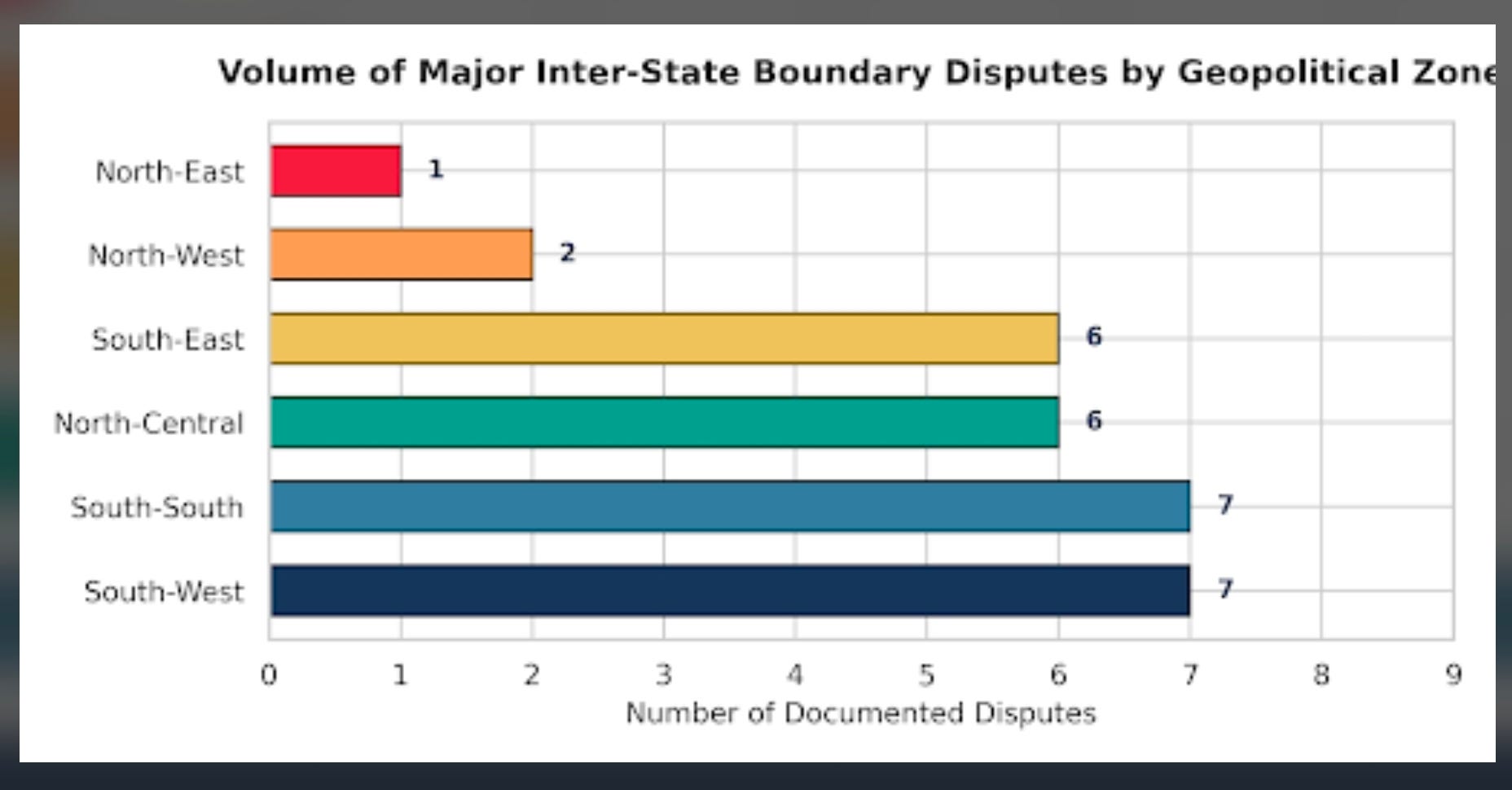
This is not the first time Abia and Anambra have faced boundary disputes. The two states have a long history of boundary disagreements, some of which have escalated into violent clashes. The current effort to resolve the remaining 8 kilometres is a significant step, but it follows a pattern of dialogue followed by inaction. The involvement of traditional rulers and community leaders is a positive sign, but the ultimate test is whether the delineation is completed and enforced.
The winners: the communities along the boundary, who may finally know which state they belong to. The losers: the politicians who have historically exploited boundary disputes for electoral advantage.
Bottom Line: Abia and Anambra have traced 15 kilometres of their boundary. The remaining 8 kilometres are the hard part.