


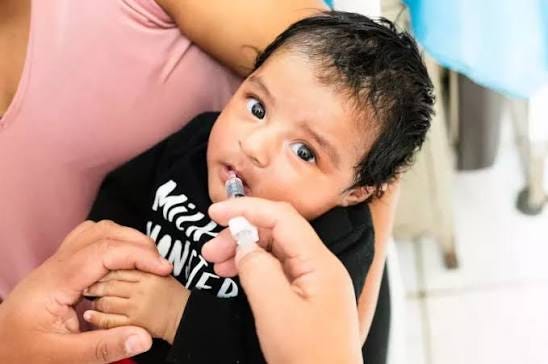
An estimated 9.5 million children in Gavi-supported countries received no routine vaccine in 2025. That represents approximately 70% of the global zero-dose burden and 85% of the worldwide reduction in zero-dose children. The figures come from WHO and UNICEF immunisation data released in July 2026. Globally, an estimated 13.5 million zero-dose children did not receive a single vaccine in their first year during 2025.
Gavi, the Vaccine Alliance, was established in 2000 to improve access to immunisation in low-income countries. It has immunised over 1.3 billion children since its founding. In 2019, there were around 12.9 million zero-dose children globally. Gavi set a goal to reduce that number by 25% by 2025 and by 50% by 2030. Progress has been uneven. Conflict, displacement and vaccine hesitancy have slowed gains. In 2025, 57 countries reported large or disruptive measles outbreaks.
The WHO and UNICEF data show that while global immunisation coverage has inched forward, millions of children remain unreached. Most of the zero-dose children live in countries where national immunisation programmes receive Gavi support. The 9.5 million figure is a significant share of the global total. Gavi has warned that funding shortfalls threaten its 2026-2030 strategy. The alliance faces a $3 billion gap despite donor contributions. The United States has signalled plans to cut its support. Public health experts estimate that a US funding withdrawal could mean 75 million children miss routine vaccinations over five years, with over 1.2 million deaths.
The data underscore a persistent inequality. Children in fragile and conflict-affected settings are the least likely to be vaccinated. More than 50% of zero-dose children live in vulnerable or conflict-affected areas. Measles outbreaks in 57 countries in 2025 reflect the consequence.
Winners: Gavi, which continues to reach millions. Children in countries with strong immunisation programmes. Global health advocates, who gain data. Losers: The 9.5 million unvaccinated children. Their families. Communities facing preventable disease outbreaks. Gavi, if funding shortfalls persist. The global immunisation goal, which remains distant.
Bottom Line: 9.5 million children received no vaccine in Gavi countries in 2025. That is 70% of the global burden. The numbers are improving slowly. But funding gaps threaten progress. The US withdrawal could reverse gains. Vaccines are cheap. Reaching children is not.