


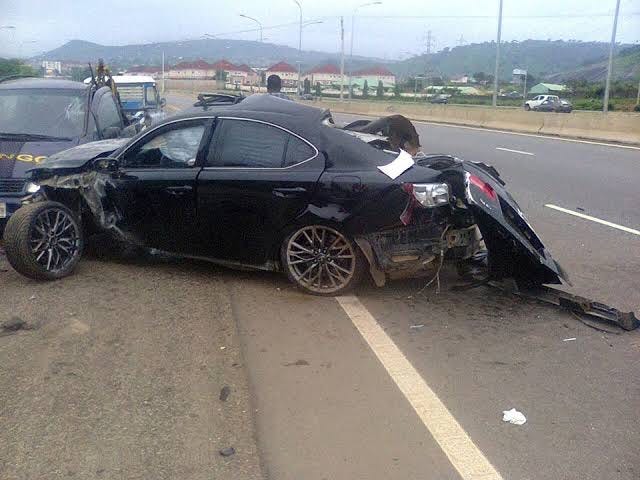
Nigeria recorded 941 road traffic deaths in the third quarter of 2026, according to figures released by the Federal Road Safety Corps. The figure is 12.6% lower than the 1,077 deaths recorded in the same period of 2025. Crashes fell 13.8% from 2,434 to 2,098, and injuries fell 14.5% from 6,856 to 5,864. The Corps presented the figures at its end-of-year strategy session in Abuja, where it described the performance as evidence of progress under its reforms. It said the reduction in crashes exceeded its 10% target.
The mechanics of the numbers deserve a closer look. A 12.6% decline in deaths is a real improvement. It is also 941 people, which is more than 10 a day, every day, for three months. The 2,098 crashes amount to about 23 incidents daily. The Corps did not provide a state-by-state breakdown, identify the major causes, or say how much of the improvement came from enforcement as opposed to road conditions or vehicle quality. The statement attributed the result to operational efficiency, preventive interventions, public enlightenment and enforcement. Those are four different things, and the absence of a breakdown means the attribution cannot be tested.
This echoes the pattern of quarterly FRSC announcements that celebrate percentage declines while the absolute toll remains high. It also mirrors the longer record of Nigerian road safety policy, which has improved in data collection and worsened in road maintenance, with the burden falling on drivers who cannot afford to avoid the bad stretches.
The winners are the Corps Marshal and the commanding officers who met their targets, and the Secretary to the Government of the Federation, who commended them. The losers are the 941 people who died, and the families who will read that the quarter was an improvement.
Bottom Line: A 12.6% decline is progress. It is not a policy, and 941 deaths is not a statistic any agency should describe as a success story.