


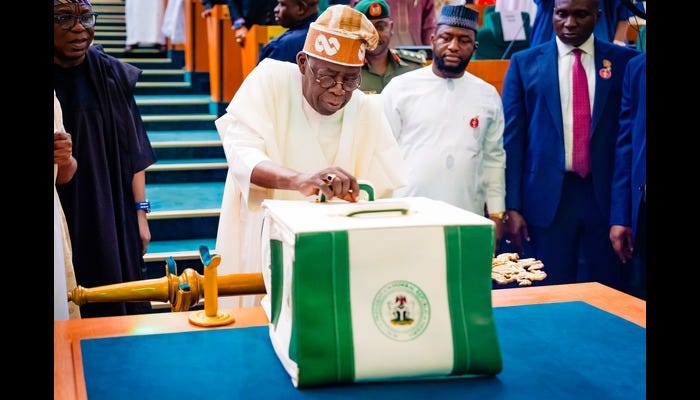
An analysis of Nigeria’s 2026 budget has revealed that about 78 federal Ministries, Departments and Agencies (MDAs) allocated nearly ₦400 billion to community projects such as village halls, mosques, traditional rulers’ palaces, markets and civic centres. Findings show that more than half of the funds were earmarked for projects critics describe as non-essential, including grain distribution, motorcycles, tricycles, mini-stadia and support for community groups.
Several budget items were also found to fall outside the statutory responsibilities of the agencies involved, raising concerns over budget discipline and oversight. Economists and policy experts argued that the allocations divert scarce resources from critical sectors such as healthcare, education, security, roads and power infrastructure. They also blamed the National Assembly for inserting projects into agency budgets and called for stricter oversight and a return to zero-based budgeting. The 2026 budget totals ₦68.32 trillion amid ongoing fiscal and revenue challenges.
The revelation is a damning indictment of Nigeria’s budget process. The allocation of ₦400 billion to community projects by MDAs that have no business funding such projects suggests that the budget is being used as a tool for political patronage rather than for delivering public services. The National Assembly’s role in inserting these projects is particularly concerning, as it suggests that lawmakers are prioritising their own interests over the public good.
This echoes the 2019 budget padding scandal, which also revealed that lawmakers had inserted projects into the budget without proper oversight. The mechanism then was different, but the result was the same: a budget that prioritises politics over public service.
The winners: the lawmakers and officials who benefit from the projects; and the communities that receive the projects. The losers: the Nigerian public, who are denied critical services; and the Nigerian economy, which suffers from misallocated resources.
Bottom Line: Nearly ₦400 billion has been allocated to community projects in the 2026 budget. The money is being spent on grain, motorcycles and mini-stadia. The question is whether this is the best use of scarce resources or just political patronage.