


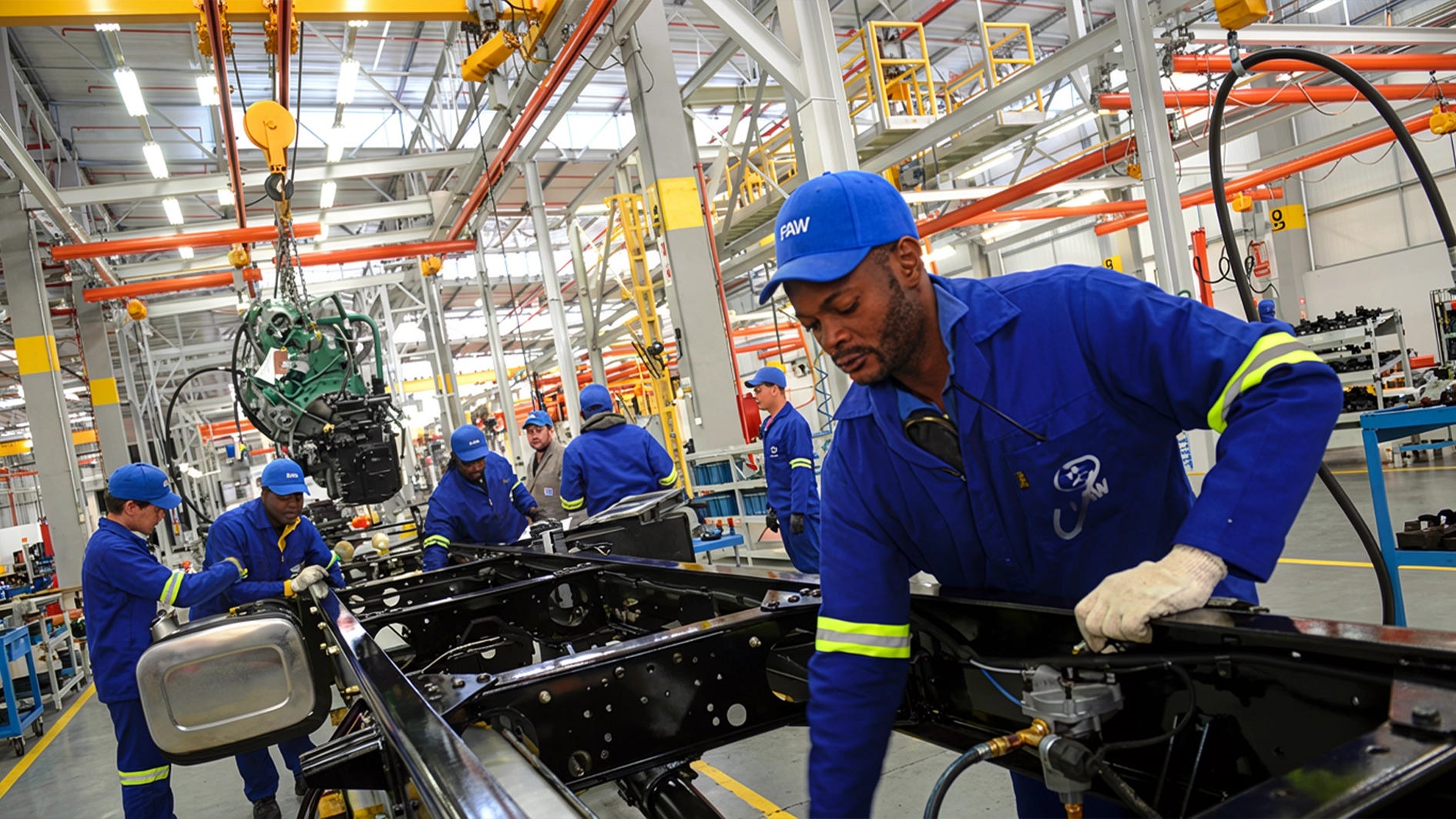
Nigeria’s manufacturing sector attracted about ₦6.8 trillion in investment over the past decade, with annual investment rising from ₦489.6 billion in 2015 to ₦1.33 trillion in 2025, according to data from the Manufacturers Association of Nigeria. Investment plunged during the COVID-19 pandemic before recovering strongly from 2021. However, increased capital inflows have not translated into stronger consumer demand, as inflation, naira depreciation and rising production costs have squeezed household incomes.
Manufacturers’ inventories rose to ₦1.07 trillion in the second half of 2025, while bank loans to the sector fell 23% to ₦6.6 trillion. More than 100 manufacturing companies have reportedly shut down over the past decade, citing unreliable power, high raw material costs, poor infrastructure, weak demand and limited access to credit. Industry experts are calling for power reforms, cheaper long-term financing, improved infrastructure and stronger local-content policies to support industrial growth.
The figures reveal a paradox: investment is flowing into the sector, but production is not keeping pace. The ₦6.8 trillion invested over a decade has not translated into a thriving manufacturing sector. The inventory build-up and decline in bank lending suggest that manufacturers are struggling to sell their products and are finding it difficult to access credit. The sector needs structural reforms to unlock its potential.
For a family in Lagos, the manufacturing sector’s struggles mean that imported goods remain expensive and locally produced goods are not always available. For a small business owner, the lack of access to credit and reliable power makes it difficult to compete.
The winners: the manufacturing companies that have survived and continue to invest; and the Nigerian economy, which benefits from the sector’s potential. The losers: the more than 100 companies that have shut down; the workers who have lost their jobs; and the Nigerian public, who pay higher prices for goods.
Bottom Line: ₦6.8 trillion has been invested in manufacturing, but production is not keeping up. The sector needs reforms to unlock its potential. The question is whether the government will act or the sector will continue to struggle.