


Nearly 64,000 Nigerians have fled to Niger Republic since January 2026 to escape violence involving Islamist militants and armed gangs. The United Nations High Commissioner for Refugees (UNHCR) reported the figure this week. Niger already hosts about 327,500 Nigerian refugees. Most new arrivals settle in Diffa and Tahoua. More than 23,000 people arrived in Diffa this year alone, and more than two-thirds of them are children. Only 5% of new arrivals have been formally registered, which restricts their access to humanitarian assistance.
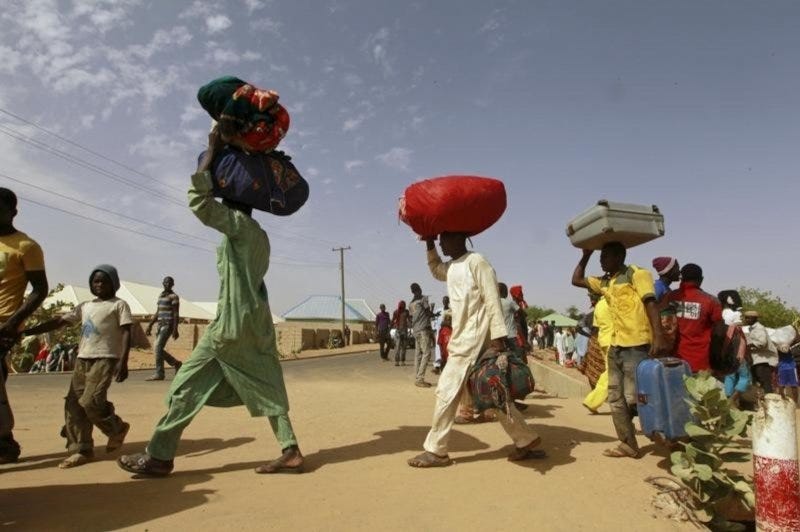
The UNHCR is seeking $11.4 million to support displaced populations across Niger, Nigeria and Benin. Separately, Nigeria, Germany and the UNHCR launched 10 mobile service centres. These centres provide identification documents, banking services and social protection registration to vulnerable communities. The initiative comes as Nigeria counts an estimated 3.7 million internally displaced persons.
The mechanics of the crisis matter. Registration is the gateway to aid. When 95% of new arrivals are unregistered, they cannot access food, shelter or legal protection. Children are the majority of arrivals. They face risks of recruitment, abuse and lost schooling. The host communities in Diffa and Tahoua are already poor. They absorb new arrivals with little support. The $11.4 million request is modest against the scale of need. It covers three countries.
The historical echo is the Lake Chad Basin crisis of the 2010s. Then, Boko Haram violence displaced millions across Nigeria, Niger, Chad and Cameroon. The international response was slow. Refugee camps became permanent settlements. A generation grew up without formal education. The current influx echoes that pattern. The difference is that the Nigerian state now faces armed groups in the north-west as well as the north-east. The violence is more dispersed. The displacement is more diffuse.
The winners are host communities that receive some aid, and armed groups that face less pressure when civilians flee. The losers are the refugees, especially children, who lack registration; the Nigerian state, which loses citizens and legitimacy; and Niger, which absorbs the burden with limited resources.
Winners: Host communities receiving aid; armed groups that benefit from civilian displacement; humanitarian agencies that gain funding.
Losers: Unregistered refugees, especially children; Niger, which absorbs the burden; Nigeria, which loses citizens and credibility.
Bottom Line: A refugee crisis is a verdict on the state that people flee. Nigeria must secure its territory and register its displaced, or the exodus will continue.