


The Nigerian Communications Commission reported that high-speed 5G network coverage has expanded to 45 urban centres nationwide. The expansion follows aggressive infrastructure rollouts by telecom operators. The commission presented the figure as evidence of progress in broadband deployment.
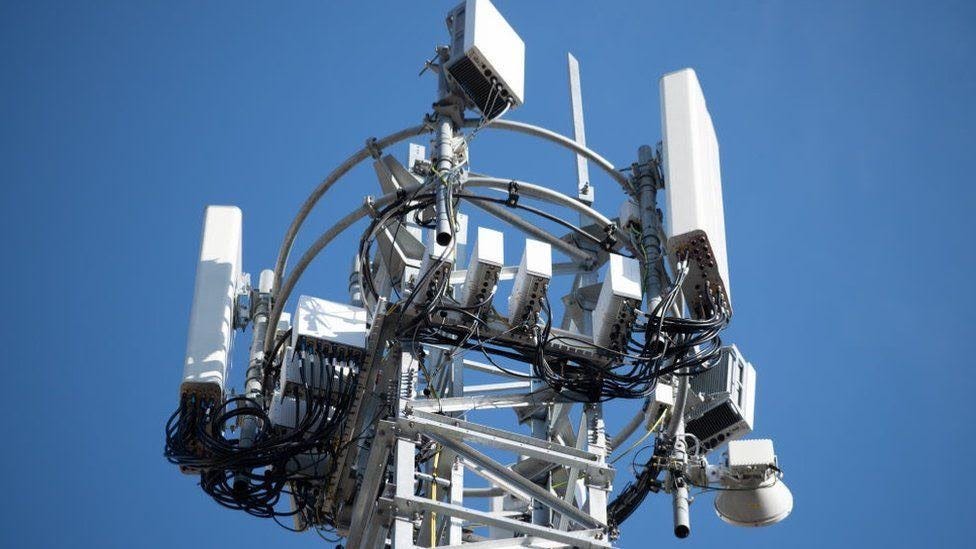
The mechanics matter. 5G is not just faster downloads. It enables lower latency, which matters for payment systems, remote diagnostics and industrial automation. But coverage in urban centres is the easy part. Fibre backhaul, spectrum costs and right-of-way charges determine whether the network reaches beyond the cities.
This mirrors the 2019 4G expansion, which reached urban centres quickly and rural areas slowly. It also echoes the 2020 National Broadband Plan, which set coverage targets that depended on infrastructure investment. The winners are telecom operators, which gain new services; urban consumers, who gain speed; and the NCC, which shows progress. The losers are rural Nigerians, who remain outside coverage; and businesses that need reliable connectivity outside cities.
Bottom Line: Forty-five urban centres is progress. The test is whether 5G reaches the towns and villages where most Nigerians live and work.