


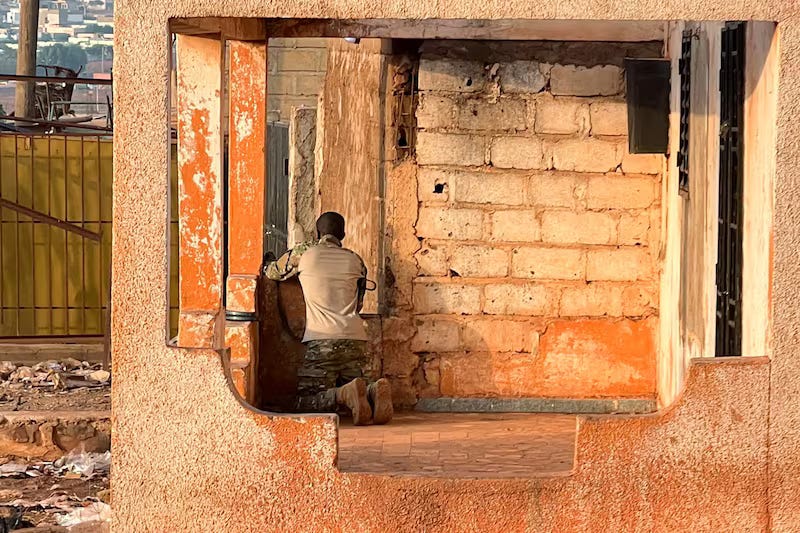
A $50 million ransom paid in 2025 to secure the release of a hostage in Mali helped finance al Qaeda-linked militants’ operations across West Africa and beyond, according to a new United Nations report. The report said most of the money was distributed among fighters belonging to Jama’at Nusrat al-Islam wal-Muslimin (JNIM), which operates mainly across Mali, Burkina Faso and Niger. Some funds were also transferred to al Qaeda’s North African branch, its core leadership and its Yemen-based affiliate.
Three regional sources identified the United Arab Emirates as the country that paid the ransom, although UAE officials did not confirm the case. The UN said the funds played a key role in financing JNIM’s offensive in Mali. The group is estimated to have 7,000 to 8,000 fighters in the Sahel, highlighting the growing financial strength of al Qaeda’s African network.
The Nigerian stake is clear. The Sahel is already destabilised by jihadist insurgencies, and the flow of funds to JNIM could further strengthen the group. Nigeria’s northern border is vulnerable to spillover from the Sahel, and the UN report is a reminder that the region’s security challenges are interconnected.
From a Nigerian vantage point, the report is a warning that the ransom payments fuel the insurgency. Nigeria has long been involved in the fight against Boko Haram and ISWAP, and the UN report shows that the financial networks of jihadist groups are complex and transnational.
This echoes the 2019 ransom payments in the Sahel, which also fuelled insurgency. The mechanism then was different, but the result was the same: a growing threat from jihadist groups.
The winners: none. The losers: the people of the Sahel, who suffer from the insurgency; and the Nigerian government, which must contend with a strengthened jihadist network.
Bottom Line: A $50 million ransom has fuelled al Qaeda operations in West Africa. The Sahel is burning. The question is whether the international community will act to cut off the funding.