


An estimated 33.5 million Nigerians will face acute food and nutrition insecurity between June and August 2027. The projection covers 26 states and the Federal Capital Territory. The Cadre Harmonisé released the figures at a workshop in Abuja. The report is produced by the Federal Ministry of Agriculture and Food Security, the Food and Agriculture Organisation, participating states and donor agencies.
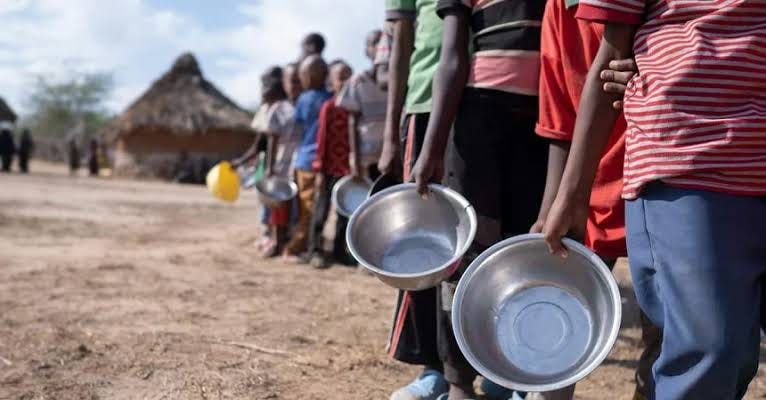
Nigeria’s food crisis has deepened over the past decade. Insecurity in the north has displaced farmers. Climate shocks have reduced yields. Fuel prices have raised production and distribution costs. The naira’s depreciation has made imported inputs more expensive. The Cadre Harmonisé is the regional standard for food security analysis. It has warned of worsening conditions for years. The current projection confirms that the trend has not reversed.
The report also estimated that 26.8 million people, including internally displaced persons, are currently in food and nutrition crisis from October to December 2026. That figure will rise to 33.5 million by mid-2027 if nothing changes. The drivers are consistent. Conflict and insecurity are disrupting livelihoods and causing displacement. High fuel prices are disrupting food production and distribution. Climate shocks are affecting crop yields. High food inflation is limiting access.
The report warned that declining household food stocks, high food prices, reduced purchasing power and disrupted livelihoods would increase food consumption pressures. It said timely food assistance, targeted cash transfers and livelihood support would be essential to limit further deterioration.
The FAO representative in Nigeria and ECOWAS, Dr Hussein Gadain, spoke at the presentation. He said the Cadre Harmonisé is a government-led process. He said Nigeria has enormous potential to achieve food security. But he acknowledged that agrifood systems operate in a complex environment shaped by insecurity, climate shocks, economic pressures, environmental degradation and displacement. “The analysis presented today provides nationally generated evidence to help the government and its partners anticipate these pressures, protect vulnerable livelihoods and direct investments to areas where they can have the greatest impact,” he said.
Winners and Losers
Winners: Humanitarian agencies, which gain data. The FAO, which shows its analytical capacity. States that receive early warning.
Losers: The 33.5 million projected to face hunger. Farmers in conflict zones, who cannot access their land. Displaced communities, who have lost their livelihoods. The government, whose food security promises are unmet. Nigeria’s economy, which loses productivity to malnutrition. Children, who face lifelong consequences from stunting.
Bottom Line: Thirty-three and a half million people is not a statistic. It is a projection of preventable suffering. The drivers are known. The warning is clear. The response must be early, funded and sustained. Food assistance and cash transfers are not charity. They are stabilisation. If the government and its partners wait, the number will grow.