


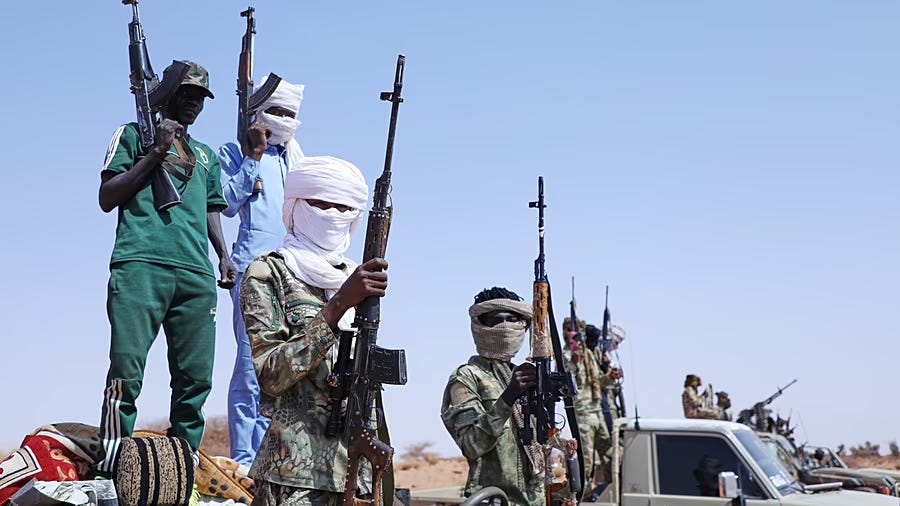
A group of 318 members of Sudan’s Rapid Support Forces, including four commanders, has defected to the Sudanese army, arriving with up to 50 combat vehicles and announcing their decision to join the armed forces in Al-Dabba locality in Northern State. The defectors’ leader, Lieutenant-Colonel Musa Ali Ahmed, cited what he described as a lack of institutional structures within the RSF as the reason for switching sides.
The defection follows a reported departure of another 300 RSF personnel, including 21 commanders, who joined the army the previous week. The RSF has also recently lost political adviser Fares al-Nour and field commander Ali Rizqallah. The war, which erupted from a power struggle between army chief Abdel Fattah al-Burhan and RSF leader Mohamed Hamdan Dagalo in April 2023, has triggered one of the world’s largest displacement crises, with nearly 13 million people displaced. The mounting defections signal growing internal fracture within the RSF.
The Nigerian stake is clear. Sudan’s conflict has regional implications. The Sahel is already destabilised by jihadist insurgencies, and the collapse of Sudan could create a new front for extremism. The defections from the RSF could weaken the group and shift the balance of power in the conflict.
From a Nigerian vantage point, the defections are a reminder that the conflict in Sudan is far from over. The RSF’s internal fractures could lead to a more chaotic situation, with implications for the region.
This echoes the 2023 defections from the RSF, which also signalled internal divisions. The mechanism then was different, but the result was the same: a conflict that continues to evolve.
The winners: the Sudanese army, which has gained defectors; and the Sudanese government, if the defections weaken the RSF. The losers: the RSF, which is losing members; and the people of Sudan, who continue to suffer from the conflict.
Bottom Line: 318 RSF members have defected to the Sudanese army. The RSF is fracturing. The question is whether the defections will shift the balance of power in the conflict.