


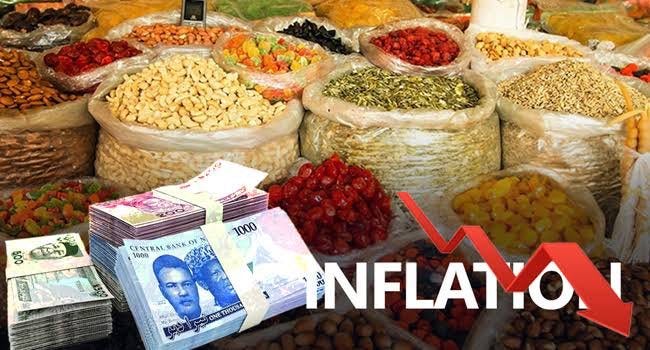
Newly released economic data shows that while national headline inflation showed slight overall easing, 19 states and the Federal Capital Territory continue to experience food and general inflation rates above 30%. Financial analysts attribute the persistent regional price pressures to elevated transport costs, high energy tariffs and lingering agricultural supply chain disruptions across local distribution networks.
The divergence between national and regional inflation rates tells a familiar story. While the national average is moderating, many states are still experiencing severe price pressures. The states affected are largely in the North-west, North-east and North-central regions, where insecurity and supply chain disruptions are most acute.
This mirrors the 2016-2017 inflation cycle, when regional disparities in inflation were also pronounced. The mechanism then was different, but the result was the same: a country where the national average masks significant regional variations.
The winners: the states with lower inflation; and the Nigerian economy, which is seeing some easing. The losers: the 19 states and the FCT, where prices are still rising rapidly; and the Nigerian public, particularly in the affected states, who continue to struggle with high prices.
Bottom Line: Inflation is still above 30% in 19 states and the FCT. The national average is masking regional pain. The question is whether the government will address the regional disparities or just celebrate the national number.